

Osteopathy
Osteopathy uses hands-on techniques to restore the body to health. Osteopathy is hands-on healthcare that looks at how your muscles, joints and nerves work together. Rather than only treating the spot that hurts, we look at your whole body to find what’s behind the problem.
We’ll talk through your health and symptoms, examine how you move, and usually start treatment in the same 40-minute visit. You’ll leave with advice and a clear plan.
Who do we help?
The strength of Osteopathy lies in treating an individual as unique. In every case we consider a patient as a person, in the context of their own physique and lifestyle, within the particular demands that their work and home-life place upon them.
That said, there are some problems we see a lot of, including:
-
Lower back pain
-
Neck and shoulder pain
-
Headaches arising from the neck
-
Joint pain in the hips, knees and other joints
-
Sports injuries and muscle strains
-
Postural aches from desk work or driving
Because we look at how your whole body moves, patients sometimes find that other aches and pains ease too, beyond the one they came in with.
What is Osteopathy?
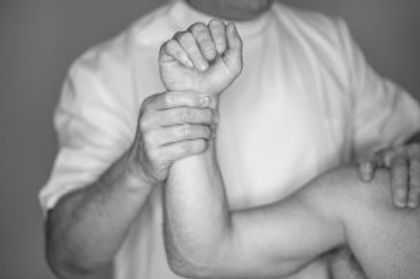

Cranial Osteopathy
Cranial osteopathy is a very gentle form of osteopathic treatment. It was developed in the early 20th century by the osteopath W.G. Sutherland, and it uses light, sensitive touch to find areas of tension and restriction in the body. Despite the name, it isn’t only about the head. We may work anywhere in the body, often around the head, spine and pelvis.
Treatment is calm and relaxing. You stay fully clothed if you prefer, and all you’ll feel is the osteopath’s hands resting lightly in place. Many people find it so relaxing that they nearly drift off.
For adults
Cranial techniques suit people who would rather not have more hands-on treatment such as manipulation. It’s often a good choice if you:
-
are in a lot of pain, or your symptoms are easily aggravated
-
are recovering from an injury or accident
-
are older or have fragile joints
-
simply prefer a gentler approach
We often use cranial techniques alongside other osteopathic treatment, depending on what suits you best.
For babies and children
Because it’s so gentle, cranial osteopathy is widely used with babies and children. We take a full history, including the pregnancy and birth for babies, and check how your child moves and how they’re developing. Treatment is adapted to their age, and babies can be fed or held during the session if that helps them settle.
For older children, we can also help with the strains of growing bodies, sport and posture, and give advice on how to keep them moving well.
We’ll always tell you if we think your child should see their GP or health visitor. Parents or guardians stay with their child throughout.

Your first appointment — what to expect
Seeing an osteopath for the first time can feel like a big step. Here’s what happens, so there are no surprises.
Before you arrive: Wear comfortable clothes you can move in. You may be asked to undress to your underwear for parts of the examination — just let us know if you’d rather not, and we’ll work around it. Bring any scan results or GP letters if you have them.
1. We talk first. We’ll ask what’s brought you in, about your general health and past injuries, and what you’d like treatment to help with.
2. We look at how you move. We’ll ask you to bend, stretch or walk, and check your joints, muscles and posture by hand, explaining what we’re doing as we go.
3. Treatment. Where it’s appropriate, we’ll start treatment in this first visit. That might include massage, gentle joint movement or manipulation — always at a pace you’re comfortable with. Tell us at any point if something doesn’t feel right.
4. Advice to take away. We’ll explain what we’ve found, what we recommend, and any simple exercises that might help.
How long does it take? 40 minutes.
Will it hurt? Treatment is rarely painful. You may feel a bit sore afterwards, like after exercise, which usually settles within a day or two.
What happens next? Some people feel better after one session; others need a short course. We’ll talk through a plan with you, and there’s never any pressure to book more.